A dress code is usually a single line on an invitation. Two or three words, four at most. Yet it is one of the very few details of a wedding that every guest has to act on alone, weeks before arriving, standing in front of a wardrobe on another continent.
For a wedding in Italy, that line carries more weight than it would at home. Your guests may be flying in from New York, Singapore, London, Sydney, and Mumbai. Each of them will read “cocktail attire” through the habits of their own city, pack accordingly, and find out what you really meant only when they step onto the gravel of a lakeside garden at six in the evening.
A dress code guests follow comes from how it is written, and from how early it reaches them. Both can be planned.
Why Dress Codes Get Lost in Translation
Most guests want to get it right. When they miss, the cause is almost always on the page.
The label is too vague. “Festive,” “elevated,” “garden chic” are lovely words, and every guest translates them differently.
The label is too local. Black tie optional, cocktail, smart casual: these terms come with different expectations in the United States, in the United Kingdom, and across Asia. What reads as obvious in Dallas can read as a puzzle in Hong Kong.
The context is missing. A guest who understands “formal” perfectly, but doesn’t know the ceremony takes place on a lawn, will arrive in stilettos.
Start With the Wedding, Then Choose the Words
When I help a couple define a dress code, the conversation starts with the wedding itself. Where will the ceremony be, at what time of day, in which season? How formal is the dinner? What should the evening feel like when guests look around the table?
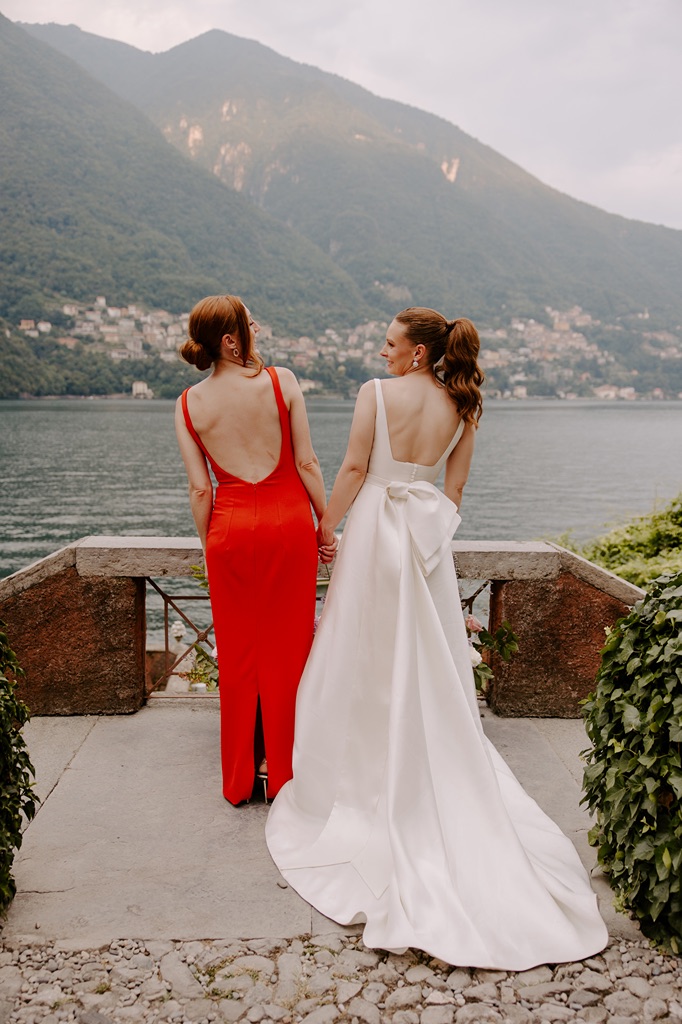
A dress code belongs to the design of the wedding as much as the flowers or the table linen do. Your guests appear in almost every photograph, against the backdrop you chose with such care. The palette you have built for a September evening on the lake, or for a summer dinner among Tuscan cypresses, extends to them too.
Once the feeling is clear, the label almost chooses itself. The harder work is everything that comes after it.
The Italian Details Guests Cannot Guess
Some aspects of an Italian wedding are simply invisible from abroad. Your guests have no way of knowing them unless you tell them.
Churches. Many Catholic churches in Italy expect shoulders to be covered, and some ask for knees as well. A shawl, a light jacket, or a dress with sleeves solves it. Say it clearly: a guest turned back at the church door on your wedding day is a scene nobody wants.
The ground. Villa gardens are often laid with gravel, historic towns are paved in stone, lake terraces come with flights of steps. Block heels, wedges, and elegant flats will carry guests through the day. Stilettos sink.
Boats. If guests reach the ceremony or the dinner by boat, there will be wind, the occasional splash, and a step down from the dock. Hats need securing, and shoes need to grip.
The heat. A July afternoon in Tuscany or on the lakes can be very hot. Breathable fabrics make a real difference, and if you are happy for gentlemen to take off their jackets once the ceremony is over, let them know in advance.
The evening. On the lake, the air cools quickly after sunset, especially in spring and early autumn. A wrap or a light jacket turns a beautiful dinner into a comfortable one.
One Weekend, More Than One Dress Code
Many weddings in Italy now last a whole weekend: a welcome dinner, the ceremony and reception, perhaps an after party, a farewell brunch the next morning. Each event can have its own dress code, and that can be part of the pleasure.
Give each event its own clear word, and keep a common thread running through them, a palette or a mood, so the weekend reads as one story.
Then think about the suitcase. International guests travel with airline limits, and three formal outfits plus shoes for each one quickly become a problem. Two outfits that matter and a relaxed register for everything else is usually generous enough.
Writing for Guests From Everywhere
When your guest list spans several continents, the safest dress code is one that explains itself.
Describe as well as label. Keep the recognized term, then add a sentence that shows what it means at your wedding. The label tells guests the category; the description tells them how to dress.
Be explicit about color. In most Western weddings, white is reserved for the bride. In parts of East Asia, white has long been associated with mourning, while red is a color of celebration and often worn by the bride herself. At Indian weddings, guests are usually encouraged to wear bright, joyful colors. If you would like guests to avoid a color, or to wear one, say so plainly, without assuming everyone shares the same instinct.
Explain your own traditions. If part of the weekend draws on your heritage, a tea ceremony, a mehndi evening, a traditional outfit for the family, tell guests what is expected and where they might find it. Many will love being invited into the tradition. All of them will appreciate knowing how.
How to Word It
A dress code that works tends to follow the same shape: a recognized term, one sentence describing what it looks like at your wedding, and one practical note about the setting. Written warmly, as an invitation, it reads as care for your guests’ comfort rather than a list of rules.
A few examples:
- Black tie. “Tuxedos and floor-length gowns. The ceremony takes place in a church, so please bring something to cover your shoulders.”
- Garden formal. “Suits, with or without ties, and long or midi dresses in light colors. The ceremony is on the lawn: block heels or flats will serve you best.”
- Lakeside cocktail. “Dark suits and cocktail dresses. We will travel to dinner by boat, and the air cools quickly after sunset, so a wrap or light jacket is a good idea.”
- Relaxed. “Whatever you would wear for a long lunch in the sun.”
Notice what each one does: it names the register, paints the picture, and solves the one problem a guest could not have foreseen.
Where and When to Share It
Timing matters as much as wording. Guests coming from abroad may shop months ahead, have something tailored, or plan their luggage around a single flight.
Save the date. A hint is enough: a formal wedding, a weekend with several events. It lets guests start thinking early.
Wedding website. This is the place for the full version, event by event, with the practical notes and, if you like, a few images of the setting so guests can see the terrace, the garden, or the boat for themselves.
Invitation. The short label, for each event.
On arrival. A gentle reminder in the welcome bag or in the weekend schedule, for the guest who read the website in March and has forgotten by September.
Making It Real on the Day
A dress code only works if the wedding around it supports it. If the ceremony and the dinner ask for different looks, the timeline needs to leave guests enough time to change. If you ask for block heels because of the gravel, the path from the ceremony to the aperitivo should be one they can walk with ease. If the ceremony falls in the afternoon heat, shade and water matter as much as linen.
This is the part of the work I enjoy most: helping a couple choose the dress code, define it in words their guests will understand wherever they come from, and then make sure the day itself lives up to it. Sometimes that means a basket of soft wraps waiting at the door when the evening cools. Sometimes it simply means choosing the right moment for the boat.
That single line on the invitation will be read in many cities, by people packing for a journey to see you married. If you would like help finding the words for your own wedding, and making sure the day keeps the promise they make, I’d love to talk it over with you.