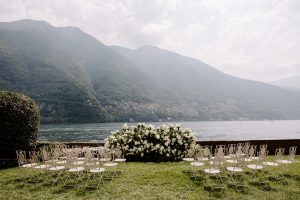
In Italy, hospitality is not a service. It is a disposition — a way of relating to the people who enter your home, your table, your celebration. It has less to do with the quality of the food or the elegance of the setting than with a particular quality of attention: the sense that your arrival was anticipated, that your comfort was considered before you thought to ask for it, and that the people hosting you are genuinely glad you came.
For couples planning a destination wedding in Italy, understanding this distinction is one of the most valuable things they can bring to the planning process. Because guests who travel across the world for a wedding are not just attending an event. They are accepting an invitation into someone’s most important day — and the way that invitation is honoured, from the moment they land until the moment they leave, shapes the entire experience.
The Welcome Begins Before the Wedding
True Italian hospitality does not begin at the venue door. It begins the moment a guest arrives in the country.
This means thinking about the practical details of arrival — transfers from the airport, clear information about how to get to the lake, a note about what to expect when they check in to their hotel — but it also means something less tangible. It means making guests feel that someone has thought about them specifically. A message from the couple the evening before. A small gift waiting in the room. A printed card with a handwritten recommendation for dinner that first night.
None of these gestures needs to be elaborate. What they communicate, collectively, is care — and care is the foundation of every memorable act of hospitality.
The Welcome Dinner as the First Act
In the Italian tradition, the meal is never just about the food. It is about the table as a social space — a place where time slows down, where conversation deepens, and where a group of people who may not all know each other begin to become something more than a collection of individuals.
For destination weddings, the welcome dinner is the first opportunity to set this tone. It doesn’t need to be a formal event — in fact, it often works better when it isn’t. An outdoor dinner at a long table on a lakeside terrace. A convivial evening at a local restaurant that reflects the character of the place. A relaxed gathering that signals to guests: this is Italy, and we’re going to take our time.
The design of the welcome dinner should feel connected to the wedding itself — not identical, but part of the same visual language. This is where the planner’s and designer’s work begins in earnest, even before the wedding day.
Anticipating What Guests Need
Italian hospitality is anticipatory. The good host doesn’t wait to be asked — they have already thought of it.
For a destination wedding, this means practical things: making sure guests know which taxi service to use, which restaurant near their hotel is worth going to for lunch, how far the venue is from where they’re staying and what the transfer situation is. It means having someone available — whether the planner, a coordinator, or a trusted local contact — who guests can reach if something isn’t clear.
It also means thinking about the small moments of friction that a destination wedding can create for international guests and removing them, one by one. A currency note with a list of useful numbers. A recommendation for the best espresso in Varenna. A reminder that the boat to Bellagio leaves from the pier at the end of the road.
These details are not logistical. They are acts of attention — and they are what guests remember.

The Art of the Table
In Italy, the table is serious. Not in a heavy or formal sense, but in the sense that it is treated as something worth doing properly. The choice of linen, the placement of glasses, the way flowers are arranged — these are not afterthoughts. They are part of the welcome.
For a destination wedding, the reception table is the centrepiece of the guest experience. It is where people spend hours, where conversations change course, where the evening becomes what it was meant to be. Investing in the design of that table — not just its decoration, but its atmosphere — is one of the most direct ways a couple can honour their guests.
This doesn’t mean extravagance. It means intention. A single variety of flower in abundance. Linen that has weight and texture. Glasses that feel good to hold. Candlelight that makes everyone look beautiful. These things don’t require a limitless budget. They require someone who understands what they’re for.
Letting Guests Experience the Place
The final expression of Italian hospitality — and the one that distinguishes a truly memorable destination wedding from a beautiful event held in a beautiful place — is the invitation to actually experience where they are.
Guests who leave Lake Como having seen only their hotel and the wedding venue have missed something essential. Guests who have taken a boat out at dusk, eaten at a restaurant that doesn’t appear in any guidebook, walked through a village they couldn’t have found on their own — these guests leave with Italy inside them. And that, more than any favour or flower arrangement, is the most generous thing a couple can offer.
This is something I think about carefully with every wedding I plan. The celebration is the centre, but the experience of the place is what surrounds it — and when both are considered together, the result is something guests carry with them for a long time.