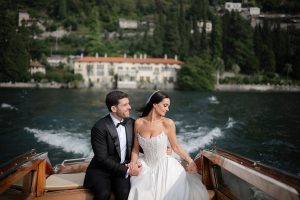
When couples start building their wedding weekend itinerary, the first instinct is almost always to fill it. Guests are flying in from New York, Singapore or London, they are spending real money and real vacation days, and it feels only fair to give them something wonderful to do with every hour. A cooking class on Friday morning, a boat tour after lunch, a wine tasting before the welcome dinner. On paper, it looks generous.
In practice, the weekends people remember most are rarely the busiest ones. They are the ones that left room to breathe: an afternoon nobody planned, a long lunch that ran over because the conversation was too good to interrupt, a swim before dinner that turned into the moment two families finally got to know each other.
Leaving time empty is a design choice, and it deserves the same care as the ceremony or the menu. Here is how I think about it.
Why a Full Itinerary Makes the Weekend Feel Shorter
A schedule with no gaps turns every event into an appointment. Guests start watching the clock, checking the group chat, wondering whether they have time to change before the shuttle leaves. The weekend stops being something they live and becomes something they keep up with.
There are practical reasons too. Most of your guests will arrive with six to nine hours of jet lag. The journey from the airport to the lake or the countryside takes longer than anyone expects. In Italy, distances that look short on a map can mean winding roads, ferries with fixed timetables and villages where the car has to stop well before the door. And a wedding weekend often asks people to dress for three or four different occasions in under seventy-two hours.
When every hour is booked, all of this happens in a rush. When some hours are left free, it happens at an Italian pace, which is the pace your guests came for in the first place.
The Shape of a Three-Day Wedding Weekend
Most three-day weekends follow a similar outline:
- Day one: arrivals during the day, a welcome evening at sunset
- Day two: the wedding, usually from late afternoon into the night
- Day three: a late brunch or lunch, then goodbyes, with some guests staying on
That gives you four or five fixed moments, and they are the backbone of the weekend. Everything else is optional, and the real question is which of those optional hours should hold an activity and which should stay open. In my experience, a few of them almost always work better empty.
Five Moments Worth Keeping Free
The Arrival Afternoon
Flights land at different times, connections get missed, luggage gets delayed. If the first scheduled event starts at three o’clock, half your guests will spend the day anxious about making it. If it starts at seven, with drinks by the water, everyone arrives having already showered, unpacked and looked at the view from their balcony. The welcome evening is better for it.
The Morning of the Wedding
This is the morning I protect most carefully. The couple needs it for themselves: hair and makeup, photographs, a quiet breakfast, a moment alone before everything begins. Guests need it too, to rest after the welcome evening and prepare without hurrying. A group activity on the wedding morning tends to end with someone sunburned, someone late, and everyone a little tired by the time the ceremony starts.
What works instead is a short list of ideas they can follow on their own, if they feel like it: a café in the village, a garden open to visitors, a walk along the shore.

The Hours Between Events
Between the end of one event and the start of the next, guests need time to go back to their rooms, change, rest and make their way to the next location. I usually leave at least two hours, and more when the next event is across the lake or in another village. This is the time that most often gets squeezed in a full itinerary, and it is the time guests notice most when it is missing.
The Morning After
After a wedding that ends well past midnight, nobody is at their best at nine in the morning. A farewell brunch that starts at eleven or noon gives everyone a slow start and makes the last gathering of the weekend relaxed instead of dutiful. The morning before it should stay completely open.
The Last Afternoon
Once the brunch is over, the official weekend is over too. Some guests will head to the airport, others will stay on for a few days. This is the right moment for optional experiences, offered to those who want them, with no expectation that everyone takes part.
Empty Time Still Needs Preparing
An open afternoon is not an afternoon left to chance. The hours that feel the most effortless are often the ones that took the most thought behind the scenes: a table held at a trattoria for anyone who wants it, a boat available to book for a couple of hours, a list of places worth seeing within walking distance of the hotel.
For guests who would like to do more, experiences can be arranged around the wedding schedule rather than written into it. A private boat tour, a visit to a historic villa, a cooking class, a day trip for those staying longer. When you work with a local partner who organizes these every day, guests can choose them freely and nothing on the main schedule has to move.
The difference is in how it feels. An activity on the schedule is something guests are expected to attend. An experience they chose themselves is something they look forward to.
How to Share the Itinerary With Your Guests
Once the weekend has its shape, the way you present it matters almost as much as what is in it. A few things help:
- Make a clear distinction between the moments everyone is expected at and the ones that are optional. If something is optional, say so plainly, so nobody feels they are missing out.
- Give the free time a name rather than leaving a blank space. “Afternoon at leisure” reads as an invitation, while a gap in the schedule reads as something forgotten.
- Include the practical details next to each event: time, location, how to get there, what to wear.
- Share the full itinerary well in advance, then add a printed copy to the welcome bag. Guests who are jet-lagged and offline will thank you for it.
A Simple Question for Every Hour
When I review a wedding weekend itinerary with a couple, I ask one question about every slot that is not part of the backbone: will your guests be glad to have something planned here, or glad to be free?
Usually the answer is obvious once you ask it. And the weekend that comes out of that question is the one your guests describe afterwards as unhurried, the one where they felt looked after without ever feeling managed. It may be the most generous thing you can give them.
If you are starting to imagine the shape of your own weekend in Italy, I would love to help you find the right rhythm for it.